
Interior Design in Sharjah and Abu Dhabi: A Real-World Guide
Most of the spotlight falls on Dubai, but two nearby emirates discreetly take on a sizeable portion of the region’s interior work. Just up the coast, Sharjah ranks among the most cost-effective emirates for residential renovation and family villas. To the south, the capital Abu Dhabi anchors the other end of the scale, combining premium waterfront properties with a methodical, standards-led approach to approvals. If you hold property in either emirate, or are considering a project across both, the rules, costs and expectations depart from Dubai in ways worth preparing for. This guide sets out what actually changes when you cross the emirate border, in plain and practical terms. Rely on it to pin down your budget, timeline and paperwork before briefing a single designer. Some groundwork now spares you costly surprises when the contractors turn up.
Sharjah: what you should know
Buyers after space and good value over skyline glitz gravitate to Sharjah. The stock is mostly sizeable villas, family townhouses and mid-rise apartments, so briefs tend to prioritise durable, practical interiors suited to big households. As a 2026 market estimate, standard residential fit-out here commonly lands in the AED 75 to 250 per square foot band, with mid-range schemes edging up to AED 300 to 400 when finishes step up. Cultural context carries more weight in Sharjah’s design language, so dedicated majlis rooms, clear guest-and-family zoning and modest, warm palettes appear more often than in Dubai’s tower apartments. In line with the wider UAE, a typical villa runs to roughly ten to fourteen weeks of design and fit-out, with larger homes taking decor companies in abu dhabi longer. Many Dubai-based studios accept Sharjah projects, so you are not restricted to local firms when choosing a designer. Custom kitchens and fitted wardrobes are common here, and in-house manufacturers such as ORA Group and Al Banan Group are well matched to the value-focused brief.
Abu Dhabi: what awaits you
On budget, Abu Dhabi runs closer to Dubai, yet its process is more structured. From Saadiyat and Yas Island villas to Corniche apartments and gated compounds, the capital’s residential stock covers a lot of ground, and top-end expectations are high. Luxury villa interiors here can climb to AED 600 to 1,200 per square foot and beyond as a 2026 estimate, with ultra-prime waterfront homes climbing higher still. In line with the capital’s more reserved character, design taste leans towards quiet luxury and generously proportioned rooms. Because approvals run through Abu Dhabi’s own authorities rather than Dubai’s, the paperwork, inspectors and community rules differ even where the design does not. Building this regulatory difference into your timeline early is the most useful single thing you can do for an Abu Dhabi project. Bigger contractors like Depa also operate here, managing complex fit-outs across the capital’s prime developments.
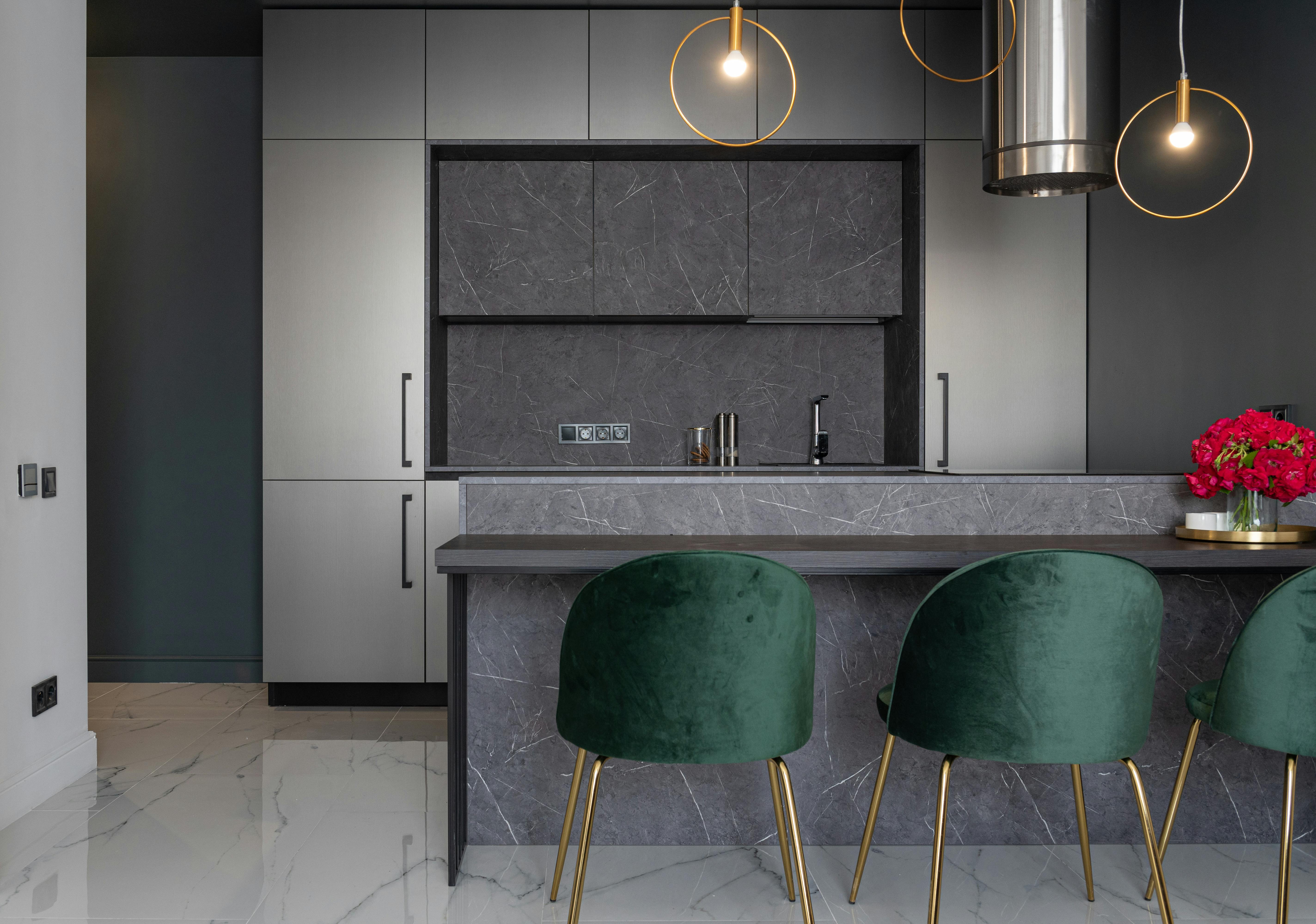
Approvals and permits across the emirates
Every emirate requires approval before fit-out work starts, but the authority and the details change once you leave Dubai. Within Dubai, most areas are governed by Dubai Municipality, while the Dubai Development Authority or Trakhees oversee certain communities and free zones, and Dubai Civil Defence handles fire and life-safety. Both Sharjah and Abu Dhabi run their own municipal and civil-defence equivalents, so while an NOC from the building owner is still the first step, the permit system behind it is separate. It matters most when you are juggling projects in two emirates at once, since one emirate’s approval will not carry over in another. On a 2026 planning estimate, simple approvals generally take roughly three to ten working days per authority once the documents are complete. Ahead of committing to a start date, always verify the current requirements with the relevant local authority.
Budgeting a cross-emirate project
Location, specification and logistics all shape costs, and crossing an emirate line can affect all three. Sharjah generally has the lowest residential rates of the three, which is why many families choose to renovate there rather than in Dubai. Abu Dhabi lands closer to Dubai’s mid-to-high range, especially for villas on the islands. Design-only fees across the UAE typically run about 10 to 20 percent of the project budget, or roughly AED 175 to 550 per square foot as a standalone service, and those bands hold across all three emirates. When your contractor is based in one emirate but building in another, transport and mobilisation become a real cost, so account for travel, material delivery and any duplicate approvals. A contractor already registered in your emirate can ease this friction and speed up the approvals that follow. Below, the table lays out typical residential ranges as 2026 market estimates.
| Emirate | Fit-out cost per sq ft (2026 est.) | Usual home project | Lead approval authority |
|---|---|---|---|
| Sharjah | AED 75 to 400 | Family villas and townhouses | Sharjah municipality and civil defence |
| Abu Dhabi | AED 250 to 1,200+ | Island homes, Corniche apartments | Abu Dhabi authorities and civil-defence bodies |
| Dubai (for comparison) | AED 200 to 1,200+ | Tower flats and villas | Dubai Municipality, DDA or Trakhees |
Choosing the right designer across the emirates
Helpfully, working in Sharjah or Abu Dhabi does not restrict you to firms based in those emirates. Plenty of established Dubai studios take on projects across the UAE, mobilising design teams and trusted contractors wherever the site happens to be. When shortlisting, ask plainly whether a studio has recent experience with your emirate’s authorities, because familiarity with local approvals compresses the timeline. Confirm who manages the on-site fit-out too, as a designer may subcontract execution to a local team. Ask for a clear scope that separates design fees from construction costs so proposals can be compared fairly. Finally, check that the studio can attend site regularly, as travel between emirates affects supervision and response times.
A practical to-do list before you start
A short sequence of checks, run before you sign anything, will spare you time and money in either emirate. Whether you are renovating a Sharjah villa or fitting out an Abu Dhabi apartment, the steps below hold. Take them in order, as each step feeds the next. Treat the budget band and authority confirmation as non-negotiable first moves. This list keeps things practical rather than theoretical. Adapt the detail to your specific building and community.
- Confirm which authority governs your building and what it currently requires.
- Obtain a written NOC from the owner or management before design work is finalised.
- Set a realistic budget band in AED per square foot for your emirate and finish level.
- Draw up a shortlist of designers at ease in your emirate and community.
- Lock in a phased timeline that covers permits, execution and snagging.
- Set aside contingency for cross-emirate logistics where contractor and site differ.
Making the choice
Your priorities determine the choice between Sharjah and Abu Dhabi, or whether you run a project in each. With its emphasis on value, space and family-focused layouts, Sharjah suits larger homes on tighter budgets. Abu Dhabi suits those wanting a prime, quietly luxurious result and willing to work within a more formal approvals system. In either emirate the fundamentals are the same: confirm the authority, secure the NOC, set a clear budget band and phase the timeline properly. Because Dubai studios routinely work across all three emirates, talent is seldom the constraint; planning usually is. Get the paperwork and budget framing right early, and either emirate can deliver an excellent result in 2026. Think of the border between emirates as a planning detail to manage rather than a barrier to a great interior.