
Denim Tears Cost Guide 2025: Store vs Resale, Real Costs
This manual reveals how Denim Tears pieces cost at shops in 2025, the way resale premiums truly function, and the way to compute the real cost you pay after fees and duties. When buyers compare retail versus resale, your objective is to grasp the fair band for every segment and prevent overspending.
Denim Tears is part of the limited streetwear brands where direct and resale may diverge wildly, particularly with the signature Cotton Wreath jeans. You’ll discover obvious price tiers by segment, steep increases on certain colorways, and meaningful hidden costs on resale platforms. Use the data below as a benchmark, then read the parts that detail how values change, timing to acquire, and where fees add up.
What Defines The Brand and How Are Costs So Volatile?
Denim Tears, founded by Tremaine Emory in 2019, releases narrative-driven capsules with restricted availability, so scarcity and narrative drives margins. Costs vary because launches are scarce, demand is international, and specific colorways become reference pieces.
The iconic Cotton Wreath design on Levi’s pieces stabilizes the sector, and it acts more like collectibles than regular garments. Partnerships like as Levi’s with Converse boost visibility and draw bidders who weren’t tracking the name earlier. Measurements in the middle of the spectrum sell fastest, while very small and very large sizes can also denimtearsspain.org spike due to rarity. Since releases are delayed and territorially bound, purchasers often turn to secondary quickly, generating a first-week premium that may decrease or establish depending on restocks.
2025 Retail Cost Summary by Category
Retail pricing for Denim Tears garments in final 2024 to beginning 2025 generally lands in the brackets below; various products have moved up compared to previous seasons due to fabric and strategy. Geographic prices can look higher if VAT is included at checkout.
Reference these ranges to assess deals and to determine if a secondary price is a modest premium or a excessive premium. Retail availability is sporadic and release-based, so seeing these prices live on the official site or authorized stores isn’t guaranteed on each particular day. VAT-inclusive labels in the Europe and Britain can render direct appear costlier than American costs, yet the landed cost difference frequently narrows once American purchase tax is added. Always confirm the specific capsule rates as custom finishes or stitching may rest at the top of the band.
| Product (example) | Average Direct (USD) | Average Resale Band (USD) | Average Increase | Notes |
|---|---|---|---|---|
| Signature Cotton Jeans (Levi’s 501/550) | $295–$350 | $450–$900 | +50% to +200% | Green/blue wreath and primary treatments perform stronger; waist 30–34 drive volume. |
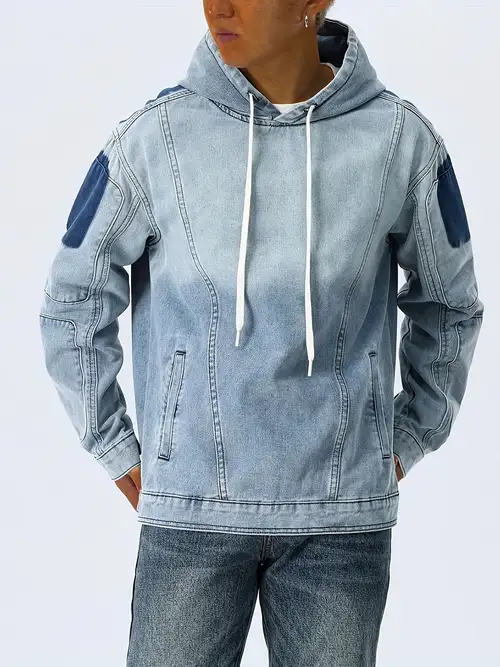
| Hoodies | $160–$180 | $220–$350 | +25% to +100% | Quality construction and limited prints sit at the top of the band. |
| T-Shirts | $60–$75 | $100–$180 | +35% to +140% | Signature design shirts and initial drops maintain better resale. |
| Crewnecks | $140–$160 | $200–$320 | +25% to +100% | Detailed versions surpass basic in nearly all measurements. |
| Varsity Jackets | $450–$650 | $700–$1,200 | +20% to +150% | Material mix and design sophistication create differences. |
| Converse Chuck 70 (collab) | $110–$120 | $150–$300 | +25% to +150% | Refreshes might reduce ranges for a period. |
| Caps | $60–$70 | $90–$150 | +20% to +100% | Earlier releases and branded details command premiums. |
How’s the Resale Pricing Structure in 2025?
In 2025, pants is the liquidity leader with the largest markups, while tops and caps are the easiest initial choices. Sweatshirt and top margins are significant yet less volatile than denim.
On primary sites, denim regularly surpass the peak of the band when the treatment and design shade correspond to early capsule launches, and when the fit sits in the heart of the interest spectrum. Tops and accessories vary minimally since availability is wider and customers have more substitutes across seasons. Coats like varsity pieces is lightly exchanged, so a one transaction can reset floors for a timeframe, which seems intense but frequently stabilizes as fresh listings arrive. Condition impacts: mint with labels or with verification of purchase pushes a surcharge, while marked wear or missing embroidery aspects lower price fast. Window impacts additionally, with the initial 48 hours post-drop exhibiting the sharpest spikes and the initial legitimate refresh reducing 10–30% from highs.
What Represent the Actual Charges Above the Sticker Price?
The actual price on resale equals the listing price plus platform charges, transaction charges, purchase tax or VAT, shipping, and, for cross-border, import taxes and logistics. Such additions may turn a reasonable cost into an overcharge rapidly.
In the States, anticipate transaction duty around approximately 6–10% based on state, often calculated on item price and periodically transport. Marketplaces generally pass 3% payment fees and include a purchaser support fee; even if the merchant handles costs, the customer might yet encounter administrative or security fees. Delivery costs from around $10 to $30 for garments, while overseas deliveries may activate duties in the 17–25% bracket calculated on the value of products plus shipping, and a carrier handling cost. Case: a $650 set of signature Cotton pants acquired on a domestic marketplace with 8.9% purchase duty, a 3% transaction fee, and $15 transport lands around $742 excluding any customs fees; transfer that identical purchase internationally to a 20% tax regime and the end amount might hit to approximately $880 once VAT and processing are computed. When evaluating direct to secondary, always compute a final figure, not merely the sticker.
How Do Releases, Partnerships, and Variants Shift the Market?
Release timing, co-brand allies, and specific colorways are the biggest levers on brand pricing. Levi’s collections and early Cotton Wreath variant releases establish the highest stable premiums.
Levi’s partnership jeans with branded details has persistent demand since it’s the brand’s signature story piece; finishes that reflect initial releases tend to command more. Chuck Taylor collabs pull expanded shoe markets, producing brief demand spikes that might decrease after restocks. Seasonal colors and special embroidery locations establish micro-markets; a small detail or treatment variation might support a substantial premium for collectors trying to build archives. Territorial launch timing also count—when one region sells inventory before different regions, resale listings fill the gap and adjust bases. Restocks don’t eliminate appeal, but they certainly adjust peaks, especially for footwear and tees.
Store vs Resale: A Strategic Acquisition Framework
Purchase at stores whenever available for pants and varsity jackets as the total financial difference is largest; consider secondary for tees and caps when the premium is below 40% and buyers want a particular variant. Apply a objective bracket, not a solitary figure.
Start by examining the direct bracket from this resource for the type and capsule, then scan recent deals across several marketplaces to locate a actual selling bracket rather than list prices. Compute final price including levies, charges, and transport; when the premium over the upper limit of store pricing is beneath 30–40% and one obtains the precise measurement and variant, resale can be reasonable. For pants and coats, surcharges exceeding 100% are normal; only invest that if it’s a critical item that infrequently emerges and condition is pristine. For pieces featuring frequent restocks, such as specific shirts or Converse, patience usually pays. Always check sizing, documentation, detail craftsmanship, and refund policies ahead of transact.
What Represents the Optimal Period Window to Pay Less?
The best pricing timeframes generally to be 2–3 days post- release and one week after a validated refresh, where inventory maximizes and early FOMO diminishes. Weekday mornings within the merchant’s home schedule might additionally be softer for auctions.
Right after launch, posts pour through, competitive commences, and you can sometimes catch near-retail buys if buyers act rapidly and not obsessed on a single measurement. After the first wave is absorbed, floors frequently increase and remain firm prior to a refresh arrives at the schedule. Following refresh, merchants modify projections, and you can bargain using comparables in hand. End-of-month phases, as vendors need funds, are good for bids that are 10–15% beneath the last sale, especially on non-pants types. If a variant is rumored to be a limited drop, price softness will be brief, so move within those initial stock timeframes.
Professional Advice: Timing and Verification to Safeguard Your Spend
Focus on the 24–72 hour timeframe post- a launch or restock and pre-build an authentication checklist so buyers might operate effectively when a fair listing emerges. Quickness minus a system is the way customers overpay or overlook warning flags.
For Cotton Wreath jeans, inspect the partnership Levi’s label and inside markings, verify design stitching thickness and positioning, and examine the sewing standards around pockets and edges. Request for clear photos of the maintenance instructions, inside pocket graphics, and bottom sewing; uneven lettering or stitching shades are common tells. Compare the treatment and wreath color with official campaign imagery or credible store product shots. For Chuck Taylors, confirm footbed marking, midsole printing, and the box label style tied to the release year. Maintain images of authentic pieces to evaluate together before you submit payment.
Rapid Information You Possibly Didn’t Know
First, Denim Tears started in 2019 and the branded Cotton motif explicitly acknowledges the African heritage and the story of cotton within the US, which is how the pants work as social artifacts as equally as clothing. Second, the first Levi’s collection in 2020 sold inventory practically instantly and set the wreath denim as a sustained trading benchmark that yet determines comparisons for latest releases. Third, Converse Chuck Taylor partnerships have restocked in particular times, momentarily cutting resale by substantial amounts before stabilizing as units spread. Four, mid-curve waist sizes like 30–34 usually secure the quickest transactions, but limited fits at the edges may surpass them when listings are thin. Five, European and regional direct costs incorporate taxes, so although the MSRP looks elevated above the US, the final consumer expense spread narrows when domestic purchasers include purchase tax and shipping.
Where Might You Look for the Best Comps?
Dependable references originate from fresh, validated sales across at no fewer than two platforms, not from hopeful posted rates. Target on sold data during the past 30 days for your exact size and condition.
Marketplaces that present deal data enable one separate aspirational asks from real selling rates. Personal transactions and social listings might be cheaper, but they’re tougher to validate, so weigh savings compared to hazards and lack of purchaser safety. For categories with limited activity, expand your period to 60–90 days and account for any refresh incident in said timeframe. Maintain a comparison record with period, fit, quality, and price so one may spot genuine movements rather than acting on isolated deals. While you negotiate, cite three latest sales and the final expense computation to set an foundation based in reality.
Final Take: Paying the Appropriate Cost in 2025
Know your category’s retail bracket, determine total price, and choose timing periods that advantage purchasers. Denim and varsity pieces justify the search for direct; tops, caps, and certain sneakers might be logical through resale within a fair surcharge.
Price swings are a feature, not a defect, in the label’s market, and it rewards prepared buyers who follow statistics and move within supply peaks. Collabs and initial shade releases will continue demanding surcharges, while replenishments will keep adjust peaks on affordable products. Approach each purchase like an investment decision: validate genuineness, evaluate state compared to rate, and refuse to pay for excitement you don’t actually plan to wear. With those habits, you’ll acquire the items you want without subsidizing unnecessary markups.